Turing Pattern Background Review
First Impressions: A Design with Depth and Versatility
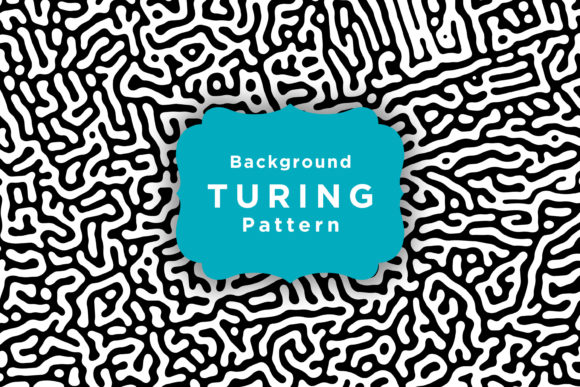
When I first saw Turing Pattern Background, I was immediately drawn to its visual rhythm. The design has a subtle, algorithmic feel that suggests complexity without overwhelming the eye. It’s not too busy, yet it carries enough detail to stand out as a background or focal point in an embroidery project. The mood it creates is modern and slightly intellectual—like a digital art piece reimagined in thread.
The pattern's layout feels balanced, with repeating shapes that create a sense of movement. It doesn’t scream for attention but still holds its own when layered over other elements. This makes it ideal for use as a backdrop in custom apparel, tote bags, or even embroidered patches where the main subject is more prominent.
Real-Life Scenario: Embroidering a Custom Tote Bag
I recently used Turing Pattern Background while preparing a custom embroidered tote bag for a small shop. The client wanted something unique that would appeal to tech-savvy customers. I chose this design because it felt fresh and aligned with the brand's modern aesthetic.
After testing the design on scrap fabric, I noticed that the stitch density was just right—not too heavy that it would strain the fabric, but enough to maintain clarity. The pattern worked well as a base layer, allowing the main text on the tote to pop without competing for attention.
Customers loved how the pattern added a subtle sophistication to the product. It wasn’t too flashy, which made it versatile for different audiences. The tote sold quickly, and several buyers commented on how the design gave the product a professional finish.
Performance in Real Embroidery Projects
Turing Pattern Background shines in projects where a background needs to be present but not dominant. Here are some real-world applications where it fits perfectly:
- Custom Apparel: Sweatshirts, t-shirts, and caps can benefit from this design as a secondary element, especially when paired with minimalistic text or logos.
- Home Decor: Pillow covers, tea towels, and aprons often need a bit of interest without being distracting. This pattern adds just the right amount of visual texture.
- Baby Items: When used sparingly, it can give baby clothes a soft, modern look that’s both stylish and age-appropriate.
- Commercial Embroidery: Boutique branding, Etsy listings, and craft fair products can leverage this design to add value and professionalism.
It also works well as part of a larger composition, such as combining it with a satin stitch border or using it as a fill behind applique designs. This flexibility makes it a valuable asset in any designer’s toolkit.
Where to Use with Caution
While Turing Pattern Background is highly adaptable, there are certain scenarios where extra care is needed:
- Small Hoop Sizes: The pattern may lose definition if stitched on very small hoops. Always test on a sample before committing to a full-size project.
- Dark Fabrics: The contrast between the pattern and the fabric can affect visibility. Consider thread color options or light fabric choices.
- Stretchy or Thin Fabrics: These require proper stabilizer use to prevent distortion, especially in areas with high stitch density.
- Curved Surfaces: Caps or hats with curved surfaces might need adjustments to ensure the pattern aligns correctly and maintains its integrity.
Testing the design on different materials and backgrounds is essential to ensure it performs as expected across various products.
Design Impact on Visual Appeal and Branding
The visual appeal of Turing Pattern Background lies in its ability to enhance the overall presentation of a product without overshadowing its primary message. Whether it’s a personalized gift or a commercial item, this design contributes to a polished, professional look that elevates the handmade presentation.
For Etsy sellers or craft business owners, using this pattern can help establish brand consistency and recognition. It’s subtle enough to be versatile but distinctive enough to stand out in listings and attract buyer engagement.
Additionally, the pattern’s modern feel makes it particularly appealing for holiday gifts, wedding items, or boutique merchandise where a touch of innovation is desired.
Practical Embroidery Designer Notes
Before finalizing your project, here are some key considerations:
- Test on Scrap Fabric: Always check how the design looks and feels on your chosen material before proceeding.
- Check Thread Color Contrast: Ensure the colors you choose complement the fabric and maintain clarity after stitching.
- Review Stitch Density: Adjust if necessary to avoid puckering or fabric strain, especially on delicate or stretchy fabrics.
- Confirm Hoop Size: Make sure the hoop size matches the design dimensions to avoid cropping or misalignment.
- Inspect Small Details: Look closely at intricate parts of the pattern to ensure they translate well in embroidery.
- Use Proper Stabilizer: Especially important on thin or stretchy fabrics to keep the design crisp and clean.
- Check Licensing: If planning to sell finished items or digital products, confirm the licensing terms of the design.
By following these steps, you’ll ensure that Turing Pattern Background performs beautifully in every project it’s used for.
Overall, Turing Pattern Background is a thoughtful addition to any embroidery designer’s collection. Its versatility, clarity, and modern aesthetic make it suitable for a wide range of applications—from personal projects to commercial use. Just remember to test it thoroughly and consider the material and context before finalizing your design.